


Cedarwood Essential Oil
Price range: ₨ 2,900 through ₨ 11,400

Clove Essential Oil
Price range: ₨ 1,700 through ₨ 15,700
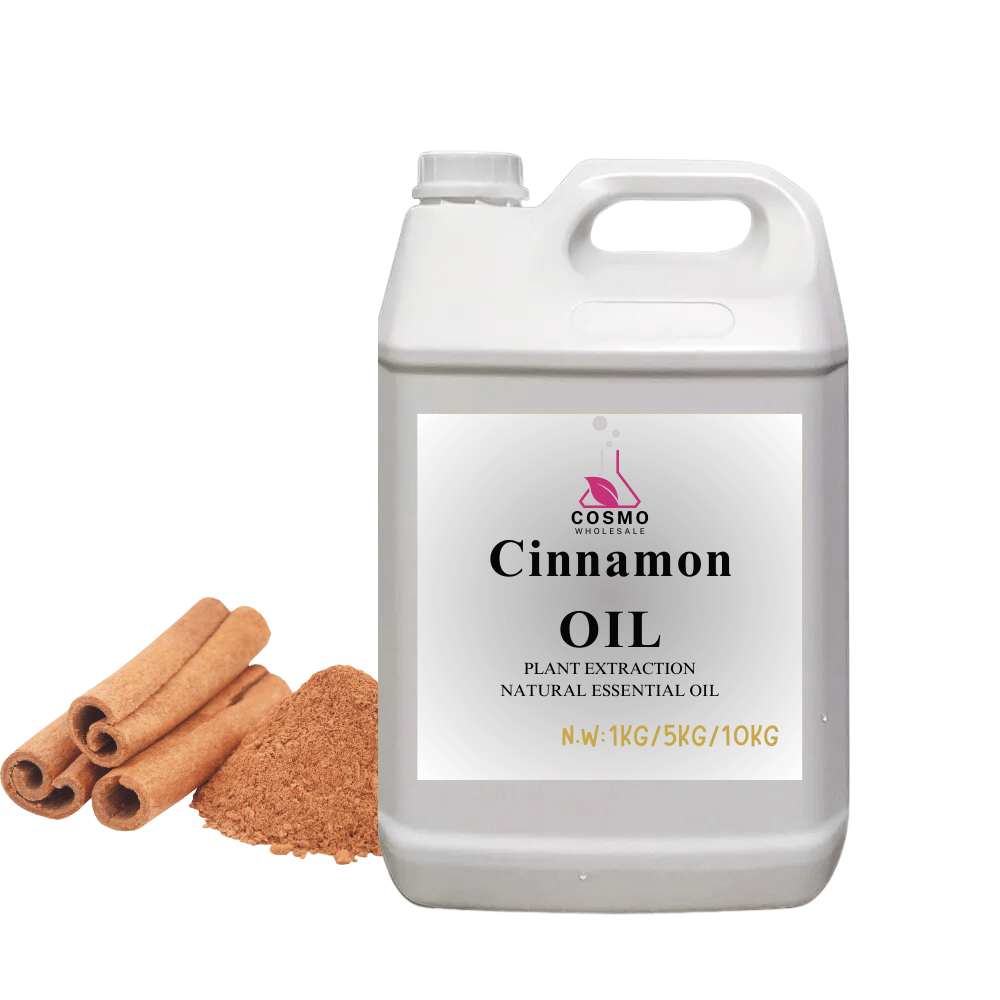
Cinnamon Essential Oil
Price range: ₨ 1,900 through ₨ 7,600
Cosmo Wholesale offers premium-quality Cinnamon Essential Oil at the best cinnamon oil price in Pakistan. Perfect for cosmetic manufacturers, it is 100% pure and versatile.
- Uses: Ideal for hair regrowth, reducing hair loss, and enhancing skin care.
- Benefits: Antibacterial, anti-inflammatory, and rejuvenating properties.
- Why Choose Us:
- Competitive pricing for bulk orders.
- Fast delivery with same-day dispatch.
- Flexible payment options (50% upfront).
Elevate your products with Cinnamon Essential Oil from Cosmo Wholesale. Order now for unmatched quality and service!
product Specification:
| Product Name | Origin | Shelf Life | Usage |
|---|---|---|---|
| Cinnamon Essential Oil | China | 2 year | Skincare, Haircare, Body Care |
Specifications
Description
Cinnamon Oil Price in Pakistan | Affordable Pure Cinnamon Essential Oil for Every Need
Cinnamon oil has become a popular choice for cosmetics manufacturers and skincare enthusiasts in Pakistan. Whether you’re looking for cinnamon essential oil to enhance your formulations or searching for the most competitive cinnamon oil price in Pakistan, Cosmo Wholesale is your go-to supplier. We offer premium-quality organic cinnamon oil that caters to various applications, from hair care to skincare.
Why Cinnamon Oil is a Must-Have?
Cinnamon oil is a versatile ingredient with numerous benefits. Here’s what makes it essential:
- Cinnamon Oil for Hair:
- Helps combat hair loss by improving scalp health.
- Supports hair regrowth, making hair thicker and stronger.
- A natural addition to shampoos and conditioners.
- Cinnamon Oil for Skin:
- Known for its anti-inflammatory and antibacterial properties, it’s perfect for improving skin texture.
- Cinnamon oil for face helps reduce acne and adds a glow.
- Works wonders as a soothing agent in skincare formulations.
With pure cinnamon essential oil in your formulations, your cosmetic products can stand out in the market.
Cinnamon Oil Price Per Kg in Pakistan
Finding an affordable cinnamon oil price per kg is a top priority for manufacturers sourcing raw materials. Cosmo Wholesale ensures you get the best value without compromising quality. Our pricing structure is designed to accommodate bulk orders, making us a trusted supplier for cinnamon oil in bulk.
How to Buy Cinnamon Essential Oil in Pakistan?
Whether you’re looking to buy cinnamon essential oil in small quantities or order bulk cinnamon oil, Cosmo Wholesale makes the process seamless. Here’s how we ensure convenience:
- Flexible Payment Options: Pay 50% upfront and the rest upon delivery.
- Fast Shipping: Same-day dispatch guarantees timely delivery.
- Online Accessibility: You can easily buy cinnamon oil online through our website.
With our user-friendly platform, sourcing cinnamon oil in Pakistan has never been easier.
The Benefits of Organic Cinnamon Oil
Organic cinnamon oil offers unparalleled purity and quality, making it ideal for premium cosmetics. When you choose Cosmo Wholesale, you’re not just getting cinnamon essential oil—you’re investing in an ingredient that elevates your brand’s reputation.
Why Choose Cosmo Wholesale?
At Cosmo Wholesale, we’re committed to providing premium raw materials like cinnamon oil to help manufacturers create exceptional products. Here’s what sets us apart:
- Competitive Pricing: We offer the best cinnamon essential oil price in Pakistan.
- Bulk Availability: Whether you need small quantities or cinnamon oil in bulk, we’ve got you covered.
- Trusted Quality: Our pure cinnamon essential oil is sourced and processed to meet the highest standards.
Cinnamon Oil for Hair and Skin: A Versatile Solution
The multifunctional nature of cinnamon oil for hair and cinnamon oil for skin makes it a valuable addition to a wide range of products. Whether you’re addressing hair loss concerns, promoting hair regrowth, or enhancing skin care, cinnamon essential oil for skin ensures superior results.
Conclusion
Cosmo Wholesale offers the best cinnamon oil price in Pakistan, along with premium-quality cinnamon essential oil. Whether you need bulk cinnamon oil for manufacturing or want to buy cinnamon oil online for personal use, we have the right solution for you.
Enquire Now and experience the unmatched quality of organic cinnamon oil with fast delivery and flexible payment options. Let us help you elevate your cosmetic formulations with pure cinnamon essential oil that your customers will love.
Additional information
| Quantity |
250 mL, 500 mL, 1000 mL |
|---|
Benefits & Uses
Benefits & Uses
Health & Wellness Benefits
Cinnamon Essential Oil has been used for centuries in both traditional medicine and modern formulations. Extracted mainly from the bark and leaves of the Cinnamomum verum tree, it is rich in cinnamaldehyde, eugenol, and linalool, compounds known for their strong bioactivity.
Scientifically Proven Benefits
-
Studies show its antioxidant properties help neutralize free radicals, supporting healthy aging and overall wellness.
-
Its anti-inflammatory effects may reduce swelling and discomfort in muscles and joints.
-
Research suggests it has antimicrobial properties, making it effective against bacteria and fungi, particularly in oral care and skin applications.
Traditional & Historical Uses
-
Ayurveda and Chinese medicine have used cinnamon oil for centuries to improve digestion, boost circulation, and reduce cold symptoms.
-
In Middle Eastern traditions, cinnamon was applied as a warming remedy for respiratory health.
Mechanism of Action
Cinnamaldehyde, the primary bioactive compound, interacts with enzymes and cell receptors, helping regulate blood sugar levels and improving circulation. Eugenol contributes to its soothing, anesthetic effect on skin and gums.
Skin, Hair & Cosmetic Benefits
-
Added to skincare, it supports clearer skin by reducing acne-causing bacteria.
-
Stimulates scalp circulation, which may promote hair growth and strengthen roots.
-
Acts as a natural warming agent in massage oils.
Therapeutic Properties
-
Antioxidant, anti-inflammatory, antimicrobial, and antifungal.
-
Supports immune defense and oral hygiene.
-
Provides warming, comforting effects in aromatherapy.
Practical Applications & Uses
Cinnamon Essential Oil has versatile applications across personal care, food, pharmaceuticals, and home use.
Cosmetics & Personal Care
-
Incorporated into lotions, balms, and creams for warming, soothing benefits.
-
Used in natural toothpastes and mouthwashes for its antibacterial activity.
-
Common in aromatherapy blends for stress relief and improved focus.
Food & Beverage Industry
-
Adds a spicy, sweet note to baked goods, candies, teas, and beverages.
-
Acts as a natural preservative due to antimicrobial properties.
-
Used in flavoring sauces, syrups, and confectionery.
Pharmaceutical & Nutraceutical Uses
-
Added to capsules or herbal supplements for blood sugar support.
-
Used in throat lozenges, cough syrups, and digestive remedies.
-
Recognized for its role in managing mild infections naturally.
Home & DIY Applications
-
Mixed with carrier oils for DIY massage blends.
-
Added to homemade candles, soaps, and room sprays for its warm, inviting aroma.
-
Used in natural cleaning solutions for antibacterial action.
Aromatherapy
-
Helps ease stress, fatigue, and low mood.
-
Blended with citrus or woody oils for uplifting diffuser blends.
Traditional Medicine Applications
-
Used in warming oils for cold weather therapy.
-
Incorporated into herbal remedies for colds, digestive issues, and circulation problems.
Industry-Specific Applications
Beyond household and wellness use, Cinnamon Essential Oil has significant value in manufacturing and industrial applications.
Manufacturing & Industrial Uses
-
Widely used in perfumery for spicy base notes.
-
Incorporated in sanitizers, soaps, and detergents for natural antimicrobial effects.
-
Added to food processing for flavor enhancement and preservation.
Recommended Concentration Levels
-
In cosmetics: typically 0.5–2% due to strong potency.
-
In oral care: 0.1–0.5% for antibacterial action without irritation.
-
In food: <0.05% to balance flavor intensity.
Formulation Compatibility & Stability
-
Blends well with citrus, clove, and vanilla oils in fragrance and flavor formulations.
-
Stable under normal conditions, but should be stored in dark, airtight containers to preserve potency.
Processing Considerations
-
Sensitive to high heat — should be added at the final stage of formulation to maintain aroma and efficacy.
-
Requires proper dilution with carrier oils or solvents for safe application.
Synergistic Combinations
-
With clove and cardamom oils for enhanced antimicrobial blends.
-
With ginger and orange oils for warming aromatherapy products.
-
With peppermint for refreshing oral care formulations.
⚠️ Side Effects
⚠️ Side Effects
Common Side Effects
Cinnamon Essential Oil is generally safe when used properly and in recommended amounts. However, like all concentrated essential oils, some users may experience mild reactions. These side effects are usually uncommon and resolve on their own within a short period.
Possible mild side effects include:
-
Skin irritation or redness, especially if the oil is applied undiluted.
-
Mild burning or stinging sensation on sensitive areas.
-
Temporary digestive upset (nausea or stomach discomfort) if accidentally ingested in larger amounts.
-
Mild headache or dizziness from strong aroma exposure.
These reactions typically appear soon after application or inhalation and often subside within a few hours to 1–2 days.
Management tips:
-
Always dilute Cinnamon Essential Oil with a carrier oil before topical use.
-
Perform a patch test before applying to larger skin areas.
-
Use in well-ventilated spaces for inhalation.
-
Discontinue use temporarily if discomfort persists.
Overall, most people tolerate Cinnamon Essential Oil well when used responsibly.
Serious Side Effects & Warnings
Though rare, there are potential serious side effects associated with Cinnamon Essential Oil. Awareness of these reactions helps ensure safe use.
Rare but serious reactions may include:
-
Severe skin burns or blistering from undiluted topical use.
-
Respiratory distress (wheezing, shortness of breath) from excessive inhalation.
-
Severe digestive upset or liver irritation if consumed in large quantities.
Allergic reaction warning signs:
-
Intense itching, swelling of lips or throat, rash, or hives.
-
Difficulty breathing or tightness in the chest.
-
Severe dizziness or sudden drop in blood pressure.
If these symptoms occur, discontinue use immediately and seek medical help. In case of emergency, contact your local emergency number or visit the nearest healthcare provider.
For individuals using Cinnamon Essential Oil in cosmetics, pharmaceuticals, or food formulations, always follow IFRA safety guidelines to minimize risk.
Risk Factors & Individual Sensitivity
Some individuals are more prone to Cinnamon Essential Oil side effects.
High-risk groups include:
-
People with sensitive skin or eczema.
-
Individuals with liver disease, asthma, or respiratory conditions.
-
Pregnant or breastfeeding women (should consult a doctor before use).
-
Children and elderly due to thinner, more delicate skin.
Individual sensitivity factors:
-
Genetic predisposition to allergies.
-
Pre-existing fragrance or spice allergies.
-
Overuse or high concentration application without dilution.
Using Cinnamon Essential Oil responsibly — in low concentrations, diluted properly, and under professional guidance — greatly reduces the likelihood of side effects.
✅ Keywords covered naturally: “Cinnamon Essential Oil side effects,” “Cinnamon Essential Oil reactions,” “Cinnamon Essential Oil safety”
✅ Balanced, transparent, and trust-building
✅ Organized from mild → serious → risk factors
⚠️ Disclaimer: This information is for educational purposes only. Always consult a qualified healthcare professional before using Cinnamon Essential Oil, especially if you have underlying medical conditions or are pregnant/nursing.
Precautions & Interactions
Precautions & Interactions
General Precautions
Cinnamon Essential Oil is a highly concentrated natural extract, and while it offers many benefits, it must be used with care. Certain individuals should avoid or limit use due to potential risks.
-
Who should avoid it: People with known cinnamon or spice allergies, individuals with severe skin sensitivity, and those with chronic liver conditions should refrain from use.
-
Pregnancy & breastfeeding: Use during pregnancy or while breastfeeding is generally not recommended unless cleared by a healthcare professional, as the oil may influence hormonal balance and uterine activity.
-
Children & elderly: Children under 12 years and older adults with fragile skin should only use diluted formulations. Direct inhalation or undiluted topical use is discouraged.
-
Pre-existing conditions: Those with diabetes, gastrointestinal ulcers, respiratory conditions, or cardiovascular diseases should exercise caution, as the oil may aggravate symptoms.
-
Allergy & sensitivity warnings: Always perform a patch test before applying Cinnamon Essential Oil to the skin. Redness, itching, or burning are signs of intolerance and require discontinuation.
Used responsibly, Cinnamon Essential Oil can be safe, but medical consultation is strongly recommended for vulnerable groups.
Drug & Supplement Interactions
Cinnamon Essential Oil may interact with certain prescription drugs, over-the-counter medications, and supplements, making it important to use cautiously alongside ongoing treatments.
-
Prescription medications: Avoid combining with anticoagulants (e.g., Warfarin, Heparin) and antiplatelet drugs (e.g., Aspirin, Clopidogrel) as Cinnamon may enhance blood-thinning effects, increasing bleeding risk.
-
Over-the-counter drugs: Pain relievers like ibuprofen or naproxen may also interact due to their effect on blood clotting. Caution is advised when using cough syrups or antacids containing alcohol or strong chemical actives.
-
Supplements & herbs: Combining Cinnamon Essential Oil with garlic, ginkgo biloba, or fish oil may further thin the blood. Concurrent use with ginseng may amplify its impact on blood sugar levels.
-
Timing recommendations: If you are on daily medications, apply or consume Cinnamon Essential Oil at least 2–3 hours apart to reduce potential interactions.
-
Blood pressure & diabetes drugs: Cinnamon may lower blood sugar and potentially reduce blood pressure, so those on insulin, metformin, ACE inhibitors, or beta-blockers must monitor closely to avoid excessive drops.
-
Monitoring: Anyone on long-term prescriptions should check with their healthcare provider before use and undergo regular blood tests to track changes in blood sugar or clotting.
These interaction risks highlight the importance of consulting a qualified professional before adding Cinnamon Essential Oil to your health or wellness regimen.
Handling & Storage Safety
Cinnamon Essential Oil is potent and should be handled with proper safety measures, especially in industrial or bulk-use settings.
-
Safe handling: Always use gloves when handling raw, undiluted oil to prevent skin irritation. Avoid direct eye or mucous membrane contact.
-
Personal protective equipment (PPE): In manufacturing or laboratory environments, use protective goggles, gloves, and lab coats. Ensure adequate ventilation when diffusing or mixing.
-
Storage guidelines: Store in dark, airtight glass containers at a stable temperature of 15–25°C (59–77°F). Keep away from direct sunlight and high humidity to preserve potency.
-
Contamination prevention: Do not return unused oil into its container once dispensed. Always use clean, dry tools when measuring.
-
First aid measures: If skin contact causes irritation, wash immediately with soap and carrier oil (not water). In case of accidental ingestion in large amounts, seek medical attention.
-
Disposal: Dispose of small quantities by diluting with carrier oil and absorbing with disposable material. For bulk disposal, follow local hazardous waste regulations.
Following these Cinnamon Essential Oil precautions ensures safety for both personal users and industrial formulators.
Dosing & Instructions
Dosing & Instructions
Dosage Guidelines
Cinnamon Essential Oil is highly concentrated, and safe use requires precise dosing. Always start with the lowest effective amount and increase gradually only if needed.
-
Recommended starting dose: For topical use, begin with 1–2 drops diluted in 1 teaspoon (5 mL) of carrier oil. For diffusion, use 3–4 drops per 100 mL of water.
-
Age-specific dosing:
-
Adults: Up to 2–3 drops per application, maximum 6–8 drops daily.
-
Children (6–12 years): Use only 1 drop per 2 teaspoons carrier oil; avoid inhalation for younger children.
-
Infants & toddlers: Not recommended without medical approval.
-
-
Condition-specific variations:
-
For skin care: 1% dilution (1 drop per teaspoon carrier oil).
-
For muscle discomfort: 2–3% dilution (2–3 drops per teaspoon).
-
For aromatherapy/respiratory support: 2–3 drops in diffuser.
-
-
Maximum limits: Do not exceed 12 drops daily for adults (topical + inhalation combined). Avoid continuous use beyond 2 weeks without breaks.
-
Gradual escalation: Begin with half the suggested amount, monitor tolerance, and increase slowly if no irritation occurs.
-
Factors affecting dosage: Age, weight, skin sensitivity, and underlying health conditions. Individuals with sensitive skin, diabetes, or heart conditions should stick to lower doses.
⚠️ Always conduct a patch test before full application to minimize risk of reactions.
Application Methods
Cinnamon Essential Oil can be applied in several ways, but dilution is essential to ensure safety and effectiveness.
-
Topical use: Mix 1–2 drops with 1 teaspoon (5 mL) of carrier oil such as coconut, almond, or jojoba oil. Apply to desired area and massage gently.
-
Dilution ratios: For skincare, use 0.5–1% dilution (approx. 1–2 drops per 10 mL). For therapeutic massage, 2–3% dilution is common.
-
Mixing with other ingredients: Pairs well with citrus oils, eucalyptus, and clove for warming blends. Add to lotions, balms, or hair oils at safe concentrations.
-
Aromatherapy/diffusion: Add 3–4 drops to a diffuser with 100 mL of water. For steam inhalation, add 1 drop to a bowl of hot water, cover head with a towel, and inhale for 5–7 minutes.
-
Internal use: Not recommended without professional supervision due to potency.
-
Temperature considerations: Do not expose the oil to high heat during blending or processing, as it can degrade active compounds.
-
Tools & equipment: Use glass droppers, measuring spoons, and dark glass bottles for accurate dosing and safe storage.
⚠️ Avoid applying undiluted Cinnamon Essential Oil directly to skin—it may cause burns or irritation.
Timing, Frequency & Monitoring
Using Cinnamon Essential Oil at the right time and frequency enhances results while reducing side effects.
-
Best time of day:
-
For relaxation: Evening diffusion before bedtime.
-
For energy/motivation: Morning use in diffuser blends.
-
-
Frequency: Topical use up to 2 times daily; diffusion for 30–60 minutes, 1–2 times per day. Avoid continuous diffusion.
-
Duration of cycles: Use for 5–7 days, then take a 2–3 day break before resuming to prevent sensitization.
-
When to expect results:
-
Topical application: Visible improvements in skin texture or muscle relief within 1–2 weeks.
-
Aromatherapy: Immediate calming or stimulating effects within minutes.
-
-
Monitoring effectiveness: Look for signs such as reduced inflammation, improved skin tone, or better relaxation.
-
When to adjust dosage: If irritation, burning, or excessive dryness occurs, reduce concentration or discontinue use.
⚠️ Always listen to your body—discontinue immediately if adverse reactions develop, and seek medical advice if symptoms persist.
🌿 Ingredients & Specifications
🌿 Ingredients & Specifications
Active Ingredients & Composition
Cinnamon Essential Oil is valued for its potent aroma, therapeutic qualities, and versatile industrial applications. Its composition includes a mix of bioactive compounds that define both its medicinal benefits and commercial uses.
Key Active Compounds
-
Cinnamaldehyde (65–75%) – the primary active component, responsible for the strong warm, spicy aroma and antimicrobial effects.
-
Eugenol (5–10%) – contributes to the sweet-spicy clove-like note, offering analgesic and antioxidant properties.
-
Cinnamic Acid & Cinnamate Esters (2–5%) – known for preservative qualities and skin-conditioning benefits.
-
Linalool (1–2%) – provides floral undertones and mild sedative effects.
-
Coumarin (trace) – naturally occurring, adds depth to fragrance.
Nutritional & Phytochemical Profile
While not a nutritional oil, Cinnamon Essential Oil contains trace amounts of:
-
Vitamins: Vitamin A, Vitamin C (in micro concentrations)
-
Minerals: Calcium, Iron, Magnesium (trace levels)
-
Bioactive Antioxidants: Polyphenols, tannins, flavonoids
Inactive Ingredients
Pure Cinnamon Essential Oil does not contain additives or fillers. When supplied in diluted or blended forms, a carrier oil (e.g., fractionated coconut oil, jojoba oil) may be included for safe topical use.
This rich composition makes Cinnamon Essential Oil highly effective in aromatherapy, cosmetics, pharmaceuticals, and food-grade flavoring applications.
Technical Specifications
Cinnamon Essential Oil is produced to strict purity and safety standards. Below is the standard technical profile:
| Property | Specification |
|---|---|
| Purity Level | ≥ 99% pure oil (food/cosmetic grade available) |
| Color | Pale yellow to golden brown |
| Aroma | Warm, spicy, sweet, woody |
| Physical State | Liquid at room temperature |
| Density | 1.00 – 1.05 g/mL at 25°C |
| Refractive Index | 1.560 – 1.570 |
| Specific Gravity | 1.01 – 1.06 |
| Solubility | Soluble in alcohol & oils, insoluble in water |
| pH (diluted solution) | Neutral to slightly acidic (5.5 – 6.5) |
| Flash Point | 200°F (93°C) |
| Shelf Life | 24–36 months (stored properly) |
Microbiological Specifications
-
Free from pathogens (E. coli, Salmonella, Staphylococcus aureus)
-
Total plate count within acceptable limits
-
Tested for heavy metals, pesticides, and residual solvents
Grades Available
-
Therapeutic Grade – for aromatherapy, wellness, and cosmetic formulations
-
Food Grade (USP/ISO certified) – for flavoring, beverages, and preservatives
-
Industrial Grade – for perfumery and cleaning products
Quality & Sourcing Information
Extraction & Processing
-
Method: Steam distillation from Cinnamomum verum bark and leaves
-
Processing Temperature: Controlled to preserve cinnamaldehyde concentration
-
Filtration: Cold-filtered to maintain purity and aroma integrity
Geographic Origin & Cultivation
-
Primary Sources: Sri Lanka, India, Madagascar
-
Cultivation: Sustainable farming practices, chemical-free harvesting
-
Seasonal Variations: Oils distilled in monsoon season show higher eugenol content, while dry-season harvests yield stronger cinnamaldehyde levels
Quality Assurance & Testing
-
Testing Methods: Gas Chromatography-Mass Spectrometry (GC-MS) and High-Performance Liquid Chromatography (HPLC)
-
Certifications: ISO 9001, GMP compliant, Food-Grade (USP), Halal/Kosher certified options
-
Frequency of Testing: Every production batch is tested for consistency
Traceability & Compliance
-
Each batch is issued a Certificate of Analysis (COA)
-
Full batch tracking system from farm to final shipment
-
Compliance with IFRA guidelines (for fragrance safety) and FAO/WHO standards
FAQs
FAQs
Product Basics
Q1: What is Cinnamon Essential Oil?
Cinnamon Essential Oil is a concentrated extract obtained from the bark and leaves of the Cinnamomum verum tree. It carries the warm, spicy aroma associated with cinnamon spice and is widely used in aromatherapy, cosmetics, food flavoring, and wellness products.
Q2: Is Cinnamon Essential Oil natural or organic?
Yes, pure Cinnamon Essential Oil is 100% natural. Organic-certified varieties are produced without synthetic pesticides or fertilizers, ensuring a cleaner and safer product.
Q3: Where does Cinnamon Essential Oil come from originally?
The oil originates from Sri Lanka and southern India, where cinnamon has been cultivated for centuries. Today, it is also produced in Madagascar, Indonesia, and Vietnam.
Q4: How is Cinnamon Essential Oil extracted/processed?
It is typically extracted by steam distillation of the cinnamon bark or leaves. This gentle process preserves cinnamaldehyde and eugenol, the key active compounds.
Q5: What makes Cinnamon Essential Oil different from similar products?
Unlike synthetic fragrances, pure Cinnamon Essential Oil contains natural compounds that provide antimicrobial, antioxidant, and therapeutic benefits.
Q6: What does Cinnamon Essential Oil smell/taste/look like?
The oil is pale yellow to golden brown in color, with a warm, spicy-sweet aroma and a slightly woody undertone. It has a sharp taste but should not be consumed undiluted.
Q7: Is Cinnamon Essential Oil vegan and cruelty-free?
Yes. It is plant-derived and not tested on animals, making it both vegan and cruelty-free.
Usage & Application
Q8: How do I use Cinnamon Essential Oil for wellness or skincare?
Dilute a few drops in a carrier oil and apply topically to support circulation or relieve sore muscles. It can also be used in diffusers for respiratory support.
Q9: How much Cinnamon Essential Oil should I use?
Start with 2–3 drops diluted in 1 teaspoon of carrier oil for skin applications. For diffusion, add 3–4 drops to 100 mL of water.
Q10: Can I use Cinnamon Essential Oil every day?
Yes, but it should be used moderately. Overuse can irritate the skin or mucous membranes. Always follow recommended dosages.
Q11: How long does Cinnamon Essential Oil take to show results?
Aromatherapy effects like improved mood may be felt within minutes. Topical benefits for skin or circulation may take 2–4 weeks of consistent use.
Q12: Can I mix Cinnamon Essential Oil with other oils/products?
Yes. It blends well with clove, orange, lemon, and eucalyptus oils. For skincare, combine with jojoba or coconut oil.
Q13: What’s the best time to use Cinnamon Essential Oil?
Morning or early afternoon is best for energy and focus. Evening use is ideal for warming massage or relaxation.
Q14: Do I need to dilute Cinnamon Essential Oil?
Yes. Due to its potency, dilution is necessary. A safe ratio is 1–2% (1–2 drops per teaspoon of carrier oil).
Q15: Can Cinnamon Essential Oil be used on sensitive skin?
Sensitive skin types should perform a patch test first. Always use extra dilution (0.5–1%).
Q16: How do I apply Cinnamon Essential Oil to hair/skin?
Mix 2–3 drops with coconut oil and massage into the scalp to support circulation, or blend into lotions for warming effects.
Safety & Quality
Q17: Is Cinnamon Essential Oil safe for pregnant women?
Pregnant and breastfeeding women should avoid direct use unless advised by a healthcare professional.
Q18: Are there any side effects of Cinnamon Essential Oil?
Excessive use may cause skin irritation, redness, or allergic reactions. Ingestion without dilution can be harmful.
Q19: Who should not use Cinnamon Essential Oil?
Children under 6, people with sensitive skin, and individuals with liver/kidney issues should avoid unsupervised use.
Q20: How can I test if I’m allergic to Cinnamon Essential Oil?
Do a patch test: apply a diluted drop to the inside of your forearm and wait 24 hours. If irritation occurs, discontinue use.
Q21: How should I store Cinnamon Essential Oil?
Store in a dark glass bottle, tightly sealed, away from direct sunlight and heat.
Q22: What is the shelf life of Cinnamon Essential Oil?
Typically, 24–36 months when stored properly.
Q23: How do I know if Cinnamon Essential Oil has gone bad?
A rancid smell, cloudy appearance, or loss of aroma indicates oxidation and spoilage.
Q24: Is your Cinnamon Essential Oil tested for purity?
Yes. Each batch undergoes GC-MS testing to confirm purity and quality.
B2B Commercial Questions
Q25: What is your minimum order quantity for Cinnamon Essential Oil?
MOQ depends on packaging, typically 5–10 kg for wholesale buyers.
Q26: Do you offer bulk pricing discounts?
Yes. Tiered discounts are available for large-volume purchases.
Q27: Can you provide certificates of analysis?
Absolutely. Each batch is accompanied by a COA verifying purity and composition.
Q28: Do you offer private labeling services?
Yes, we provide white-label and private-label options for cosmetic and wellness brands.
Q29: What are your shipping and delivery terms?
We ship domestically and internationally with flexible Incoterms (FOB, CIF, EXW).
Q30: Do you provide technical support for formulations?
Yes. Our R&D team assists formulators with blending ratios and application guidance.
Q31: Can you customize Cinnamon Essential Oil specifications?
Yes, customized purity levels, dilutions, and blends can be arranged on request.
Reviews (0)
Shipping & Delivery






Reviews
Clear filtersThere are no reviews yet.