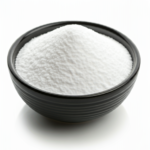
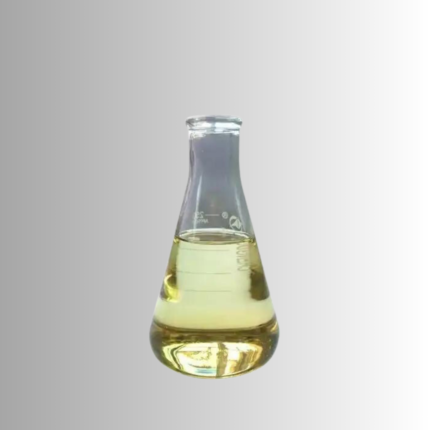
SODIUM LAURYL SULFATE (SLS)
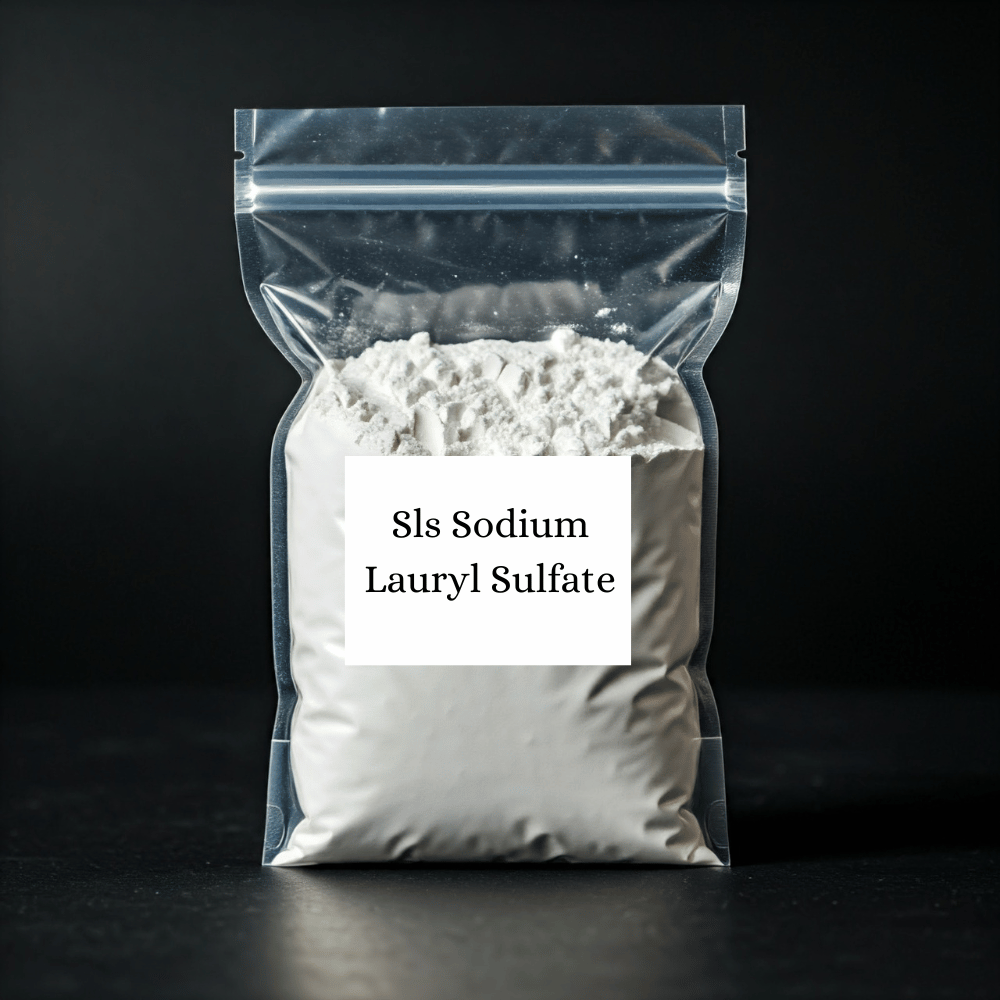
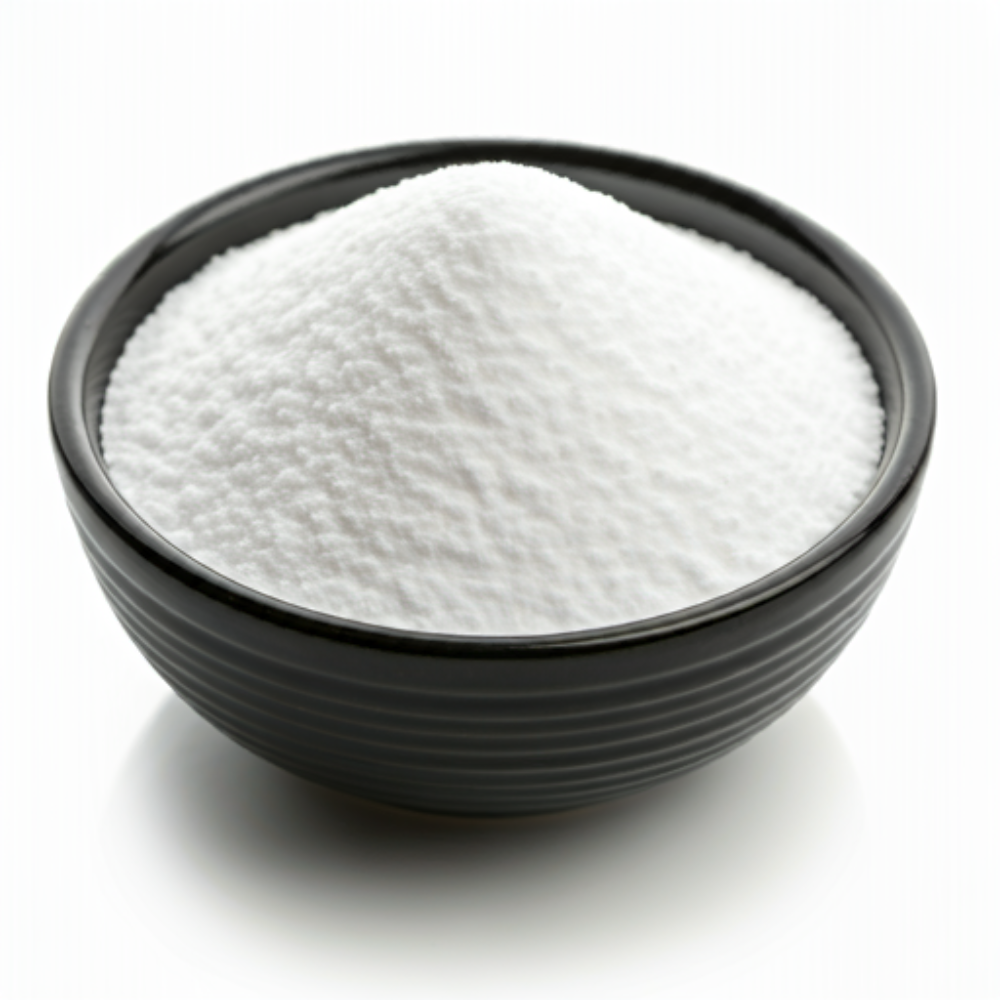
Bulk SODIUM LAURYL SULFATE (SLS) at Wholesale price in Pakistan. Find Wholesale SODIUM LAURYL SULFATE from trusted suppliers and distributors. Premium Raw Materials for Cosmetics.
Product Specification:
| Product Name | Origin | Shelf Life | Usage |
|---|---|---|---|
| SODIUM LAURYL SULFATE (SLS) | China | 2 years | Shampoo, Body Wash, Cleansers |
Specifications
Description
Sodium Lauryl Sulfate (SLS) – Dynamic Surfactant for Powerful Cosmetic Formulations
Sodium Lauryl Sulfate (SLS) is a powerful, versatile surfactant widely used in the cosmetics and personal care industry. As one of the most common ingredients in shampoos, body washes, facial cleansers, and other personal care products, SLS is crucial for its excellent foaming, cleansing, and emulsifying properties. For cosmetic manufacturers, sourcing high-quality Sodium Lauryl Sulfate is essential for creating products that not only perform well but also meet the industry standards for safety and effectiveness.
This article explores the benefits, applications, and sourcing considerations of Bulk Sodium Lauryl Sulfate, focusing on why it is the ideal raw material for manufacturers in the Ionic Surfactants segment.
Why Choose Sodium Lauryl Sulfate for Cosmetic Manufacturing?
1. Superior Cleansing Action
Sodium Lauryl Sulfate is renowned for its exceptional ability to cleanse and remove dirt, oil, and impurities from the skin and hair. As a surfactant, it reduces the surface tension between the product and the skin, allowing the cleanser to break down oils and lift dirt. Its foaming properties create a rich lather, making it a popular choice for shampoos, face washes, and shower gels.
2. Compatibility with Ionic Surfactants
SLS is part of the Ionic Surfactants family, which is integral to many personal care products. Ionic surfactants are known for their superior cleaning properties and their ability to interact with both water and oils, making them indispensable in emulsifying, foam generation, and cleansing formulations. Manufacturers focusing on Ionic Surfactants can incorporate SLS seamlessly into their product lines to enhance performance.
3. Cost-Effectiveness
Sodium Lauryl Sulfate is an affordable ingredient, making it ideal for bulk purchasing in the production of everyday personal care products. When sourced from trusted wholesale suppliers, it offers excellent cost efficiency without compromising on quality, which is a key advantage for manufacturers looking to scale production.
4. Proven Effectiveness in Skin and Hair Care Products
Despite its robust cleansing abilities, SLS is safe to use in most formulations when balanced with other ingredients. It can be used in a wide range of formulations for skin and hair, ensuring high performance without harming the integrity of the product. This makes SLS an essential component in cosmetics designed for consumers seeking clean, fresh skin and hair.
Applications of Sodium Lauryl Sulfate in Cosmetic Manufacturing
1. Shampoos and Conditioners
Sodium Lauryl Sulfate is a staple in shampoo and conditioner formulations due to its ability to generate foam and cleanse the scalp. It efficiently breaks down oil and product build-up, leaving hair feeling clean without stripping it of essential moisture.
2. Body Washes and Shower Gels
In body washes and shower gels, SLS is used to create luxurious lather while ensuring thorough cleansing. It is effective at removing sweat, dirt, and impurities from the skin, leaving the body feeling refreshed and clean.
3. Facial Cleansers
Facial cleansers often contain SLS because of its superior ability to cleanse without causing irritation. When formulated properly, SLS helps maintain the skin’s natural balance while ensuring that makeup, dirt, and excess oils are thoroughly removed.
4. Toothpastes
Sodium Lauryl Sulfate is also found in many toothpaste formulations as a foaming agent. It helps spread the toothpaste evenly over the teeth and gums, ensuring a consistent clean.
5. Bubble Baths
The foaming properties of SLS make it an ideal choice for bubble bath products. It creates dense bubbles that enhance the user experience, making baths more enjoyable.
Benefits of Purchasing Bulk Sodium Lauryl Sulfate
When sourcing Sodium Lauryl Sulfate for your cosmetic manufacturing needs, buying in bulk offers several advantages:
- Cost Efficiency: Bulk purchases significantly reduce the per-unit cost, making it more affordable for manufacturers who need large quantities.
- Consistent Supply: By sourcing SLS in bulk from a trusted supplier, you ensure that production is not interrupted due to stock shortages. Consistency is key to maintaining manufacturing timelines.
- Custom Packaging: Suppliers offering bulk SLS can provide flexible packaging options that suit your needs, whether it be large drums, smaller containers, or custom packaging for ease of handling.
- Quality Assurance: Trusted bulk suppliers provide certification for the quality and purity of SLS, ensuring that manufacturers receive a high-grade ingredient that meets industry standards.
Key Considerations for Choosing a Sodium Lauryl Sulfate Supplier
Choosing the right supplier is critical when sourcing Sodium Lauryl Sulfate for cosmetic formulations. Here are some factors to consider:
- Reputation and Reliability: Look for a supplier with a proven track record of delivering high-quality raw materials on time.
- Certifications: Ensure that the supplier provides relevant certifications, including those for quality and safety standards.
- Competitive Pricing: While quality should be the top priority, consider suppliers who offer competitive pricing, especially for bulk orders.
- Customer Support: A responsive customer support team can be invaluable in addressing concerns, ensuring timely delivery, and offering technical assistance.
Complementary Ionic Surfactants for Cosmetics Manufacturing
To enhance your formulations further, consider these complementary Ionic Surfactants that work well with Sodium Lauryl Sulfate:
1. Sodium Chloride (Salt)
Sodium Chloride is often used in combination with SLS to adjust viscosity and enhance foam stability. It helps thicken the formulation and ensures a smooth texture in body washes and shampoos.
2. Cocamidopropyl Betaine
This mild surfactant complements SLS by providing additional foaming and conditioning properties. It is especially popular in formulations designed for sensitive skin, as it is gentler than SLS but still effective at cleansing.
3. Disodium Laureth Sulfosuccinate
A milder alternative to Sodium Lauryl Sulfate, Disodium Laureth Sulfosuccinate is ideal for sensitive skin products. It helps reduce irritation while still offering effective cleansing and foaming properties. It pairs well with SLS in formulations targeting different skin types.
Specifications:
- Name: Sodium Lauryl Sulfate
- Origin: China
- Shelf Life: 2 years
- Usage: Cleansing, Foaming, Emulsifying
Conclusion: Why Choose Our Wholesale Sodium Lauryl Sulfate?
Sodium Lauryl Sulfate is a cornerstone ingredient for manufacturers in the Ionic Surfactants segment. Whether you are producing shampoos, body washes, or facial cleansers, SLS offers unmatched performance in cleansing, foaming, and emulsifying.
At Cosmo Wholesale, we provide premium-quality Bulk Sodium Lauryl Sulfate at competitive prices, making us the ideal Sodium Lauryl Sulfate supplier and distributor in Pakistan. Our products are sourced from reliable manufacturers, ensuring that you receive the highest-quality raw materials for your cosmetic formulations.
Ready to take your formulations to the next level? Contact us today to inquire about bulk SLS orders and explore our other cosmetic raw materials for Ionic Surfactant-based products.
🌿 Benefits & Uses
🌿 Benefits & Uses
Benefits & Uses of Sodium Lauryl Sulfate (SLS)
Health & Wellness Benefits
Sodium Lauryl Sulfate (SLS) is one of the most widely studied surfactants, valued for its ability to reduce surface tension and create effective cleansing and foaming actions. While often discussed in the context of industrial applications, SLS also has scientifically recognized benefits in personal care and health-related formulations.
-
Cleansing and Foaming Action:
SLS binds to oils and dirt, allowing them to be rinsed away with water. This makes it a core ingredient in shampoos, face washes, body washes, and toothpastes.
👉 Internal Link: “foaming action” → Formulation Science page -
Cosmetic & Skin Care Benefits:
In small concentrations (0.5–2%), SLS enhances the spreadability of creams and lotions, ensuring even application. It also helps remove excess sebum, dead skin cells, and environmental pollutants. -
Hair Care Properties:
SLS contributes to thorough cleansing of the scalp, reducing buildup from styling products. When balanced with conditioning agents, it improves hair manageability and shine. -
Mechanism of Action:
Chemically, SLS is an anionic surfactant that interacts with lipid membranes and proteins. By breaking down oils and emulsifying dirt, it provides deep cleansing while enabling foamy textures that users associate with cleanliness. -
Therapeutic and Antimicrobial Potential:
Some studies suggest that SLS possesses mild antimicrobial activity, reducing bacterial load on the skin surface. Historically, it has been included in antiseptic and oral hygiene products.
While it is not considered an antioxidant or anti-inflammatory agent, its primary bioactive role lies in detergency and emulsification, which indirectly supports skin health by reducing clogged pores and improving hygiene.
👉 Internal Link: “oral hygiene products” → Toothpaste Ingredients page
Practical Applications & Uses
Sodium Lauryl Sulfate is highly versatile, making it a staple across consumer and professional industries.
-
Cosmetics & Personal Care:
-
Shampoos, facial cleansers, body washes, shaving creams
-
Toothpastes and mouthwashes for foaming and cleaning
-
-
Food & Beverage Industry:
Though limited, SLS is sometimes used as a food additive (emulsifier and whipping agent), particularly in dried egg products and marshmallows. -
Pharmaceutical Uses:
-
Acts as a dispersant in tablets, ensuring even distribution of active ingredients.
-
Used in certain laxative formulations as a wetting agent.
-
-
Home & DIY Applications:
-
Effective in homemade cleaning sprays, dishwashing liquids, and laundry detergents.
-
Concentrations here can be higher (20–30%).
-
-
Traditional & Historical Uses:
SLS has been included for decades in soaps and cleansers due to its reliable performance, affordability, and ease of processing.
Notably, it is not commonly used in aromatherapy since it is synthetic, but it may serve as a solubilizer for essential oils in DIY cleansers.
Industry-Specific Applications
For formulators and manufacturers, Sodium Lauryl Sulfate offers several advantages:
-
Manufacturing & Industrial Uses:
-
Textile processing as a wetting agent
-
Leather finishing for degreasing
-
Pesticide formulations as an emulsifier
-
-
Recommended Concentration Levels:
-
Shampoos: 10–15%
-
Facial Cleansers: 0.5–2%
-
Household Cleaning: up to 30%
👉 Internal Link: “concentration levels” → Dosing & Instructions tab
-
-
Formulation Compatibility:
Works synergistically with Cocamidopropyl Betaine, which reduces irritation while boosting foam stability. -
Processing Considerations:
Should be incorporated during the water phase at 45–55°C for maximum stability. -
Synergistic Combinations:
When combined with conditioning agents (e.g., silicones, panthenol), SLS-based formulations strike a balance between cleansing and mildness.
For B2B buyers, SLS remains a cost-effective, high-performance surfactant that adapts to a wide range of formulations without compromising stability or scalability.
⚠️ Side Effects
⚠️ Side Effects
Side Effects of Sodium Lauryl Sulfate (SLS)
Common Side Effects
In most cosmetic and personal care products, Sodium Lauryl Sulfate (SLS) is used at safe concentration levels. However, some mild side effects may occur, especially in individuals with sensitive skin.
-
Skin Dryness & Irritation:
Frequent use of high-SLS products can strip away natural oils, leading to dryness, redness, or tightness. -
Scalp Sensitivity:
Shampoos with higher concentrations (above 15%) may cause mild itching or flaking in sensitive users. -
Eye Irritation:
Direct contact with undiluted SLS may cause temporary stinging or redness. This usually resolves within minutes after rinsing. -
Timeline & Resolution:
These effects are typically short-term and disappear once the product is rinsed off or discontinued. -
Management Strategies:
-
Switch to formulas containing SLS with mild co-surfactants.
-
Use moisturizing products alongside SLS-based cleansers.
-
Serious Side Effects & Warnings
Though rare, some users may experience more pronounced reactions to Sodium Lauryl Sulfate.
-
Allergic Reactions:
Symptoms include redness, swelling, hives, or persistent itching. If these occur, discontinue use immediately. -
Severe Eye Exposure:
Prolonged or accidental exposure to concentrated SLS (raw form) may cause corneal irritation. Medical care is recommended in such cases. -
Respiratory Irritation (Powdered Form):
Workers handling bulk powdered SLS may experience coughing, sore throat, or nasal irritation if inhaled. Proper ventilation and PPE are essential. -
When to Seek Medical Help:
-
Persistent rashes or burning sensations
-
Difficulty breathing after inhalation exposure
-
Severe swelling or blistering of skin/eyes
-
⚠️ Emergency Note: Always consult a healthcare provider if symptoms do not resolve quickly or if severe allergic reactions occur.
Risk Factors & Individual Sensitivity
Not everyone reacts to Sodium Lauryl Sulfate the same way. Certain groups are at higher risk of side effects:
-
Skin Conditions: People with eczema, rosacea, or dermatitis may notice heightened sensitivity.
-
Age Factors: Infants and elderly individuals have thinner skin and should use milder formulations.
-
Health Conditions: Those with chronic respiratory issues (e.g., asthma) should avoid inhaling powdered SLS during handling.
-
Individual Sensitivity: Genetic predispositions or allergy-prone individuals may react even at low concentrations.
Disclaimer: Side effects vary depending on concentration and formulation. Always conduct a patch test before using a new product.
Precautions & Interactions
Precautions & Interactions
Precautions & Interactions for Sodium Lauryl Sulfate (SLS)
General Precautions
Sodium Lauryl Sulfate (SLS) is widely used in shampoos, soaps, cleansers, and industrial cleaning products. While considered safe at regulated concentrations, certain precautions should be followed for safe use:
-
Avoid Broken or Irritated Skin:
Applying SLS-based products on cuts, burns, or inflamed skin may worsen irritation. -
Pregnancy & Breastfeeding:
Topical use of diluted SLS in cosmetics is generally safe, but avoid ingestion and prolonged exposure. -
Children & Elderly:
Their thinner, more sensitive skin may react to stronger concentrations. Diluted formulations are recommended. -
Pre-existing Skin Conditions:
People with eczema, dermatitis, or psoriasis should consult a dermatologist before use. -
Allergy Risk:
Individuals prone to allergies should patch test SLS-based products to avoid unexpected reactions.
⚠️ Note: Always check concentration levels before use. Household cleaners often contain much higher levels of SLS than personal care products.
Drug & Supplement Interactions
SLS is primarily a topical surfactant, meaning it usually doesn’t interact with internal medications. However, in certain cases, caution is necessary:
-
Prescription Topical Medications:
When used with steroid creams, antifungal ointments, or acne treatments, SLS may increase absorption of active drugs, which could enhance side effects. -
Oral Care Products:
Some toothpastes contain SLS, which can irritate the mouth lining when combined with medicated oral gels (e.g., for ulcers or gum disease). -
Herbal & Natural Extracts:
In DIY or commercial formulations, SLS may destabilize delicate herbal extracts or alter their activity. -
Timing Considerations:
If using medicated creams, apply them first, allow absorption, and then use SLS-based cleansers afterward to minimize interference. -
Special Conditions:
Patients on blood pressure medications or blood thinners should avoid accidental ingestion of SLS, as irritation of the digestive tract may worsen sensitivity.
⚠️ Important: Although systemic drug interactions are rare, consult a healthcare professional if combining SLS-based cosmetics with prescription treatments.
Handling & Storage Safety
Safe handling of Sodium Lauryl Sulfate is critical, particularly for industrial and bulk use:
-
Storage Requirements:
Store at 15–30°C in a cool, dry place. Keep containers sealed to avoid contamination and clumping. -
Handling Precautions:
-
Use gloves and goggles when working with raw or powdered SLS.
-
Avoid inhalation of fine powder to prevent respiratory irritation.
-
Ensure proper ventilation in production areas.
-
-
Stability:
SLS is stable under normal processing conditions but may degrade in extreme heat or acidic environments. -
First Aid Measures:
-
Skin Contact: Rinse with plenty of water and apply moisturizer.
-
Eye Contact: Flush with clean water for at least 10 minutes.
-
Inhalation: Move to fresh air immediately.
-
Ingestion: Seek medical advice, do not induce vomiting.
-
-
Shelf Life: 24 months when stored properly in sealed packaging.
Dosing & Instructions
Dosing & Instructions
Dosing & Instructions
Dosage Guidelines
-
Facial Cleansers: 0.5–2% (low concentration to avoid irritation).
-
Shampoos & Body Washes: 5–15%.
-
Household Cleaning Products: 10–20% depending on strength required.
-
Industrial Cleaning Solutions: up to 30% (do not exceed manufacturer’s recommended safety limits).
Application Methods
-
Always dilute SLS before use.
-
Add during the water phase of formulation at room temperature or mild heating.
-
Combine with secondary surfactants (e.g., Cocamidopropyl Betaine) to reduce irritation and improve foam.
-
Not suitable for leave-on products (use only in rinse-off formulations).
Timing, Frequency & Monitoring
-
Safe for daily use in rinse-off products at recommended levels.
-
Patch testing is advised for sensitive skin types.
-
Monitor for signs of dryness, irritation, or redness; adjust concentration if needed.
-
Long-term frequent use at high concentrations may strip natural oils from the skin and hair.
🌿 Ingredients & Specifications
🌿 Ingredients & Specifications
Precautions & Interactions
General Precautions
-
Avoid use on broken, damaged, or inflamed skin.
-
Not recommended for leave-on cosmetics (lotions, creams).
-
Use low concentrations in products intended for sensitive skin.
-
Perform a patch test before large-scale use to check for irritation.
Drug & Supplement Interactions
-
Generally no known drug interactions when used topically.
-
May increase penetration of other active ingredients in formulations.
-
Caution when combining with medicated creams or prescription topicals, as absorption may be enhanced.
Handling & Storage Safety
-
Store at 15–30°C in a cool, dry, and ventilated place.
-
Keep container tightly sealed to avoid contamination.
-
Wear protective gloves, mask, and goggles when handling bulk SLS powder.
-
Avoid direct inhalation of dust or contact with eyes.
-
Shelf life: 24 months under recommended conditions.
✅ FAQs
✅ FAQs
FAQs – Sodium Lauryl Sulfate (SLS)
Q1: Is Sodium Lauryl Sulfate safe for skin?
Yes, SLS is safe in rinse-off products like shampoos and cleansers when used at recommended levels. However, it may cause irritation if used in high concentrations.
Q2: Can SLS be used in baby products?
SLS is generally not recommended for baby shampoos or sensitive skin formulations. A milder surfactant such as Lauryl Glucoside is preferred.
Q3: What is the shelf life of SLS?
When stored properly (sealed container, cool and dry place), the shelf life is up to 24 months.
Q4: Is SLS biodegradable?
Yes, SLS is readily biodegradable and considered environmentally safe when disposed of correctly.
Q5: Can I mix SLS with other surfactants?
Absolutely. SLS is often blended with milder surfactants (like Cocamidopropyl Betaine) to improve foam and reduce irritation.
Reviews (0)
Shipping & Delivery


Reviews
Clear filtersThere are no reviews yet.