



Rose Fragrance Oil
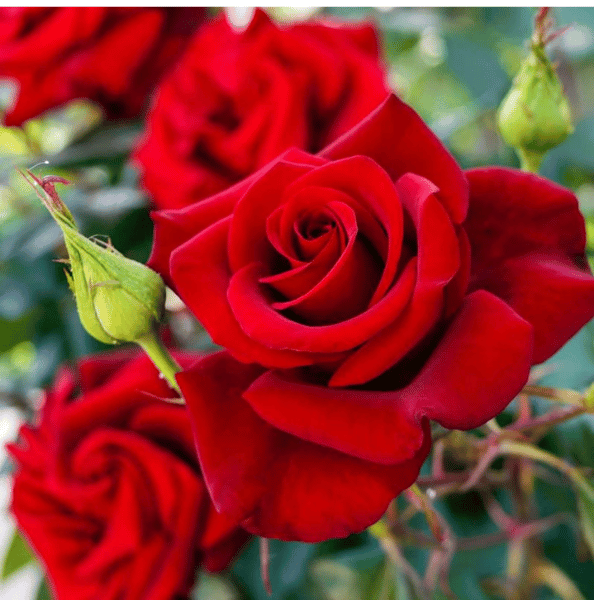
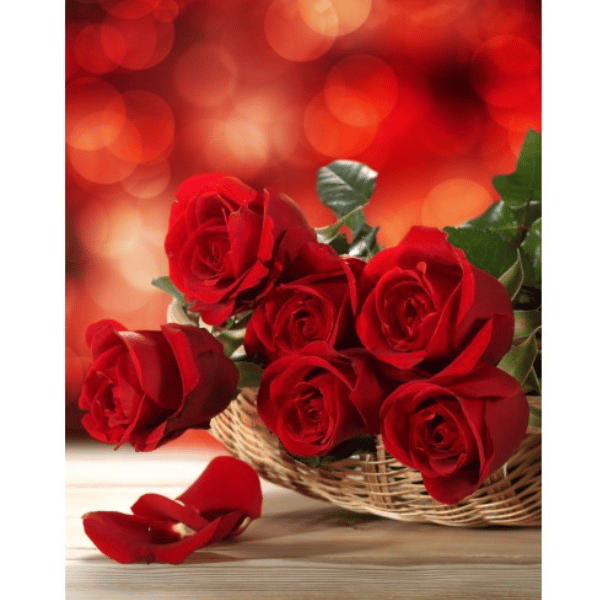
Indulge your senses with the timeless beauty of Rose Fragrance Oil. This captivating scent captures the essence of freshly bloomed roses, releasing a sweet and alluring aroma that evokes feelings of romance and serenity. With its delicate, velvety softness and subtle floral notes, this fragrance oil is perfect for aromatherapy, perfumery, and crafting luxurious candles, soaps, and bath products that transport you to a garden of love and tranquility.
Product Specification:
| Product Name | Origin | Shelf Life | Usage |
|---|---|---|---|
| Rose Fragrance Oil | India | 2 years | soaps, candles, lotions, perfumes |
Specifications
Description
Rose Fragrance Oil
Rose Fragrance Oil is a captivating and romantic scent that embodies the essence of love, luxury, and sophistication. This exquisite fragrance captures the delicate, velvety softness of freshly picked rose petals, releasing a sweet and intoxicating aroma that transports you to a garden of tranquility.
Fragrance Profile:
Top Notes: Bergamot, Lemon
Middle Notes: Rose, Geranium, Green Tea
Base Notes: Sandalwood, Musk, Vanilla
Characteristics:
-
A classic, timeless scent with excellent scent throw and longevity
-
Soothing and calming properties promote relaxation and reduce stress
-
Ideal for aromatherapy, perfumes, candles, bath products, and skincare
-
Versatile and compatible with various applications and product lines
Emotional Resonance:
Rose Fragrance Oil evokes feelings of love, appreciation, and gratitude. It symbolizes romance, elegance, and sophistication, making it perfect for:
-
Anniversaries and weddings
-
Valentine’s Day and Mother’s Day
-
Spa treatments and meditation practices
-
Luxury products and fine fragrances
Technical Specifications:
-
Concentration: Available in various concentrations (e.g., 10%, 20%, 100%)
-
Format: Liquid, Phthalate-free
-
Compatibility: Soap-making, candle-making, perfumery, aromatherapy
-
Shelf Life: 2 years from date of manufacture
Applications:
-
Perfumes and fragrances
-
Candles and diffusers
-
Soap-making and skincare
-
Bath products and body care
-
Aromatherapy and meditation
Why Choose Rose Fragrance Oil?
-
High-quality composition crafted with precision and expertise
-
Excellent scent throw, strength, and longevity
-
Timeless and versatile fragrance suitable for various applications
-
Emotional resonance and symbolic meaning add depth and value
Indulge your senses in the captivating beauty of Rose Fragrance Oil. Its elegance, sophistication, and emotional resonance make it a must-have in your fragrance collection.
🌿 Benefits & Uses
🌿 Benefits & Uses
Benefits & Uses of Rose Fragrance Oil
Health & Wellness Benefits
Rose Fragrance Oil offers a wide range of benefits for both emotional wellness and cosmetic applications. While not a therapeutic essential oil, it mimics the aroma profile of natural rose extracts and provides several advantages:
-
Emotional balance: The soothing rose aroma is scientifically associated with stress reduction, improved mood, and relief from mild anxiety. Studies on aromatherapy suggest that rose-based scents help lower cortisol levels and promote relaxation.
-
Traditional uses: For centuries, rose fragrance has been used in Middle Eastern, South Asian, and European traditions for calming rituals, perfumes, and beauty regimens.
-
Mechanism of action: The oil works primarily through the olfactory system. Inhalation stimulates the limbic system of the brain, triggering the release of neurotransmitters like serotonin and dopamine.
-
Skin benefits: When added to skincare products, Rose Fragrance Oil enhances user experience by giving creams, soaps, and lotions a luxurious scent. It blends well with moisturizers, body oils, and serums.
-
Hair benefits: In shampoos and conditioners, the rose aroma provides a refreshing fragrance while masking chemical odors, improving consumer appeal.
-
Therapeutic properties: Though synthetic, Rose Fragrance Oil often contains compounds with mild antioxidant properties, helping protect formulations from rancidity.
-
Anti-inflammatory potential: Some rose fragrance blends incorporate stabilizers that reduce irritation, making them suitable for gentle skincare.
Practical Applications & Uses
Rose Fragrance Oil is versatile across industries:
-
Cosmetics & Personal Care: Widely used in soaps, shower gels, lotions, lip balms, and perfumes. Recommended usage: 0.5%–3% in leave-on products, 2%–5% in rinse-off formulations.
-
Food & Beverage Industry: While not edible itself, it is often paired with food-grade rose extracts in bakery, desserts, and beverages to enhance floral aroma.
-
Pharmaceutical & Nutraceutical: Added as a fragrance enhancer in topical creams and balms.
-
Home & DIY Uses: Ideal for making scented candles, room sprays, diffusers, and potpourri. Few drops in water or carrier oil can transform a space.
-
Aromatherapy: Used in diffusers for stress relief and mood enhancement. Blends well with lavender, sandalwood, and vanilla.
-
Traditional Medicine: Symbolically linked to emotional healing and calming practices in Ayurveda and Unani wellness rituals.
Industry-Specific Applications
-
Manufacturing & Industrial Use: Rose Fragrance Oil is highly stable in soaps, detergents, and body care products due to its oil-soluble formulation.
-
Recommended concentration:
-
Candles: 6%–8% fragrance load
-
Soaps: 3%–5%
-
Perfumes/body sprays: 10%–15% when diluted with alcohol
-
-
Formulation compatibility: Blends seamlessly with natural oils (jojoba, almond, coconut) and surfactants like Sodium Lauryl Ether Sulfate (SLES).
-
Processing: Best added at temperatures below 70°C to avoid scent loss.
-
Synergistic blends: Works well with jasmine, vanilla, sandalwood, and citrus oils for layered fragrance notes.
⚠️ Side Effects
⚠️ Side Effects
Side Effects of Rose Fragrance Oil
Common Side Effects
Most users tolerate Rose Fragrance Oil well, but minor reactions may occur:
-
Mild skin irritation or redness (uncommon)
-
Headaches or dizziness if overexposed to strong aroma
-
Symptoms usually appear within 1–2 hours of exposure and resolve naturally once discontinued
-
Management: Wash affected skin with mild soap and apply moisturizer
Serious Side Effects & Warnings
Serious effects are rare but possible:
-
Allergic reactions such as rash, swelling, or difficulty breathing
-
Asthma patients may experience respiratory discomfort with strong fragrances
-
Discontinue use if severe itching, hives, or nausea occur
-
Seek medical help immediately if swelling of the face, lips, or throat develops
Risk Factors & Individual Sensitivity
-
Children and elderly may be more sensitive to strong fragrances
-
Individuals with eczema, psoriasis, or chronic asthma should test before use
-
Genetic fragrance allergies may increase risk
-
Pregnant women should consult healthcare providers before using heavily fragranced products
Precautions & Interactions
Precautions & Interactions
Precautions & Interactions
General Precautions
-
Avoid direct undiluted application to skin
-
Pregnant and breastfeeding women should use under guidance
-
Not suitable for infants under 2 years
-
People with fragrance allergies should patch test
-
Use gloves when handling in bulk manufacturing
Drug & Supplement Interactions
-
No major pharmaceutical drug interactions, but strong fragrances may irritate respiratory patients on bronchodilators
-
Avoid simultaneous use with strong menthol/camphor-based medicines as it may intensify sensitivity
-
Recommended to separate application from medicated creams by 2–3 hours
Handling & Storage Safety
-
Store in a cool, dry place (15–25°C) away from sunlight
-
Use airtight, amber bottles to prevent oxidation
-
Wear gloves and goggles in bulk handling
-
First aid: Wash with soap and water on skin contact; seek help if irritation persists
-
Shelf life: 24 months unopened
Dosing & Instructions
Dosing & Instructions
Dosing & Instructions
Dosage Guidelines
-
Skincare: 0.5%–2% in creams and lotions
-
Soaps: 3%–5% of total batch weight
-
Candles: 6%–8% fragrance load
-
Perfume: Up to 15% when diluted in ethanol
-
Maximum safe daily topical use: Avoid exceeding 10 ml per kg of base product
Application Methods
-
Always dilute with carrier oil before applying to skin
-
For DIY perfumes: Mix with ethanol and distilled water, rest for 48 hours before use
-
For candles: Add at 65–70°C during wax melting process
-
For diffusers: 3–5 drops per 100 ml water
Timing, Frequency & Monitoring
-
Can be used daily in skincare and personal care
-
For aromatherapy, limit diffuser use to 30–60 minutes at a time
-
Monitor for skin sensitivity within the first week
-
Discontinue or reduce concentration if irritation occurs
🌿 Ingredients & Specifications
🌿 Ingredients & Specifications
Ingredients & Specifications
Active Ingredients & Composition
Rose Fragrance Oil is a synthetic aromatic blend designed to replicate natural rose aroma. Typical composition includes:
-
Aromatic aldehydes & alcohols (phenylethyl alcohol, citronellol, geraniol)
-
Stabilizers & fixatives (benzyl benzoate, diethyl phthalate-free options available)
-
Carrier oils (sometimes included for dilution)
Technical Specifications
-
Appearance: Clear to pale yellow liquid
-
Odor: Floral, sweet, rose-like
-
Specific Gravity: 0.95 – 1.05
-
Flash Point: ~70°C
-
Solubility: Oil-soluble, not water-soluble
-
Shelf life: 24 months unopened
Quality & Sourcing Information
-
Manufactured under IFRA (International Fragrance Association) standards
-
Free from parabens and phthalates (depending on grade)
-
Each batch tested for purity and stability
-
COA available on request
✅ FAQs
✅ FAQs
FAQs
Product Basics
-
Q: What is Rose Fragrance Oil?
A: It is a synthetic fragrance designed to mimic natural rose aroma for cosmetics, candles, and personal care. -
Q: Is Rose Fragrance Oil natural or organic?
A: It is synthetic, but high-quality blends are made to be skin-safe. -
Q: What does it smell like?
A: A sweet, floral, rosy aroma similar to fresh rose petals.
Usage & Application
-
Q: How do I use Rose Fragrance Oil in candles?
A: Add 6%–8% fragrance load into melted wax at 65–70°C. -
Q: Can I use it on skin?
A: Yes, but only when diluted in a carrier oil. -
Q: Can it be blended with other oils?
A: Yes, it pairs well with sandalwood, jasmine, and vanilla.
Safety & Quality
-
Q: Are there side effects?
A: Rarely, mild skin irritation or sensitivity. -
Q: Shelf life?
A: 24 months if stored properly.
SECTION 4: B2B Commercial Questions
-
Q: Do you provide bulk supply?
A: Yes, MOQ applies. Bulk pricing available. -
Q: Do you offer private labeling?
A: Yes, customizable packaging options available.
Reviews (0)
Shipping & Delivery





Reviews
Clear filtersThere are no reviews yet.