

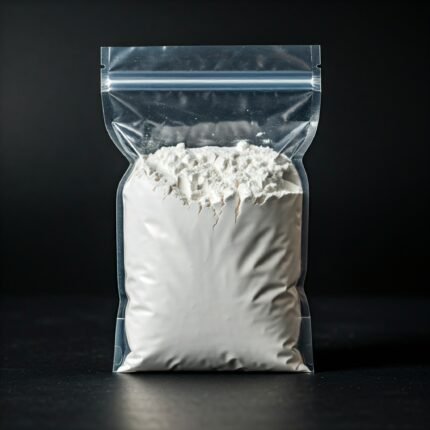
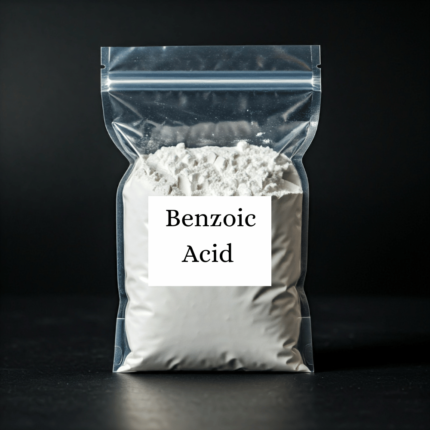
Boric Acid
Buy Bulk BORIC ACID Powder at Wholesale price in Pakistan. Find Wholesale BORIC ACID from trusted Cosmetics Raw Materials supplier and distributor.
Product Specification:
| Product Name | Origin | Shelf Life | Usage |
|---|---|---|---|
| Boric Acid | China | 2 years | Preservative, Buffer, pH Balancer |
Specifications
Description
Introduction: Elevate Your Cosmetic Formulations with Premium Boric Acid
In the ever-evolving cosmetics industry, the quality and performance of raw materials are paramount to creating products that stand out in the market. Boric Acid, a trusted compound in the Acids segment, plays a pivotal role in enhancing the stability, safety, and efficacy of cosmetic formulations. Whether you’re manufacturing skincare creams, lotions, or powders, Boric Acid offers unmatched versatility and reliability.
At Cosmo Wholesale, we specialize in providing high-quality Boric Acid tailored to meet the unique needs of cosmetic manufacturers. Our product is sourced from trusted suppliers, ensuring exceptional purity and performance, making it an ideal choice for your formulations. Dive into this comprehensive guide to discover how this Acid can transform your manufacturing process and elevate your products to new heights.
What is Boric Acid?
Boric Acid is a versatile compound widely used in cosmetics manufacturing due to its remarkable properties. As an essential ingredient in the Acids segment, it enhances the stability, safety, and performance of various cosmetic products. At Cosmo Wholesale, we provide high-quality Boric Acid to cosmetic manufacturers, ensuring superior formulations.
Why Choose Boric Acid for Cosmetics Manufacturing?
1. Multi-functional Benefits:
This Acid offers several advantages that make it indispensable in cosmetic formulations:
- Preservation: Its antimicrobial properties prevent bacterial and fungal growth, extending product shelf life.
- pH Balance: Helps maintain an ideal pH level, ensuring skin compatibility and enhancing product safety.
- Emulsification: Aids in the smooth blending of ingredients, resulting in a consistent texture and finish.
2. Compatibility with Various Products:
This Acid can be used in a wide range of cosmetic products, including:
- Creams and lotions for enhanced texture.
- Powders to improve consistency.
- Eye care products for safety and stabilization.
Applications in Cosmetic Manufacturing
1. As a Preservative:
Cosmetic products are prone to microbial contamination, which can compromise their efficacy and safety. This Acid serves as a reliable preservative, protecting products from harmful microorganisms without affecting their formulation.
2. As a pH Regulator:
Maintaining the correct pH level is crucial for both the stability of the product and its compatibility with the skin. This Acid ensures optimal pH levels, making it a valuable ingredient in cosmetics.
3. As an Antimicrobial Agent:
Its inherent antimicrobial properties make this Acid a go-to choice for manufacturers seeking to enhance the safety of their products.
Why Manufacturers Prefer Our Boric Acid
- High Quality: Our Acid is sourced from trusted suppliers, ensuring purity and consistency in every batch.
- Cost-effective: We offer competitive bulk pricing to maximize your profit margins.
- Reliable Supply Chain: With an efficient distribution network, we ensure timely deliveries to keep your production uninterrupted.
- Expert Support: Our team provides detailed insights and recommendations to help you optimize your formulations.
Complementary Acids for Upselling
1. Citric Acid
Use: Enhances product stability and acts as a natural antioxidant.
Benefit: Ideal for brightening and exfoliating products, Citric Acid complements Boric solution in maintaining pH levels and improving product longevity.
2. Salicylic Acid
Use: Known for its exfoliating properties.
Benefit: Works well in acne treatments and skin-clearing products, providing additional benefits when used alongside Boric solution.
3. Glycolic Acid
Use: Promotes gentle exfoliation and skin renewal.
Benefit: Enhances skin texture and radiance, making it an excellent addition to anti-aging and brightening products.
Product Specifications
- Name: Boric Acid
- Origin: China
- Shelf Life: 2 years
- Usage: Preservative, pH Adjuster, Antimicrobial Agent
How to Order?
Ready to enhance your formulations with high-quality Boric solution? Contact us today to receive a customized quote for your bulk purchase. We’re here to support your manufacturing journey with premium raw materials and expert guidance.
Final Note to Manufacturers
In the competitive world of cosmetics manufacturing, the quality of raw materials can make or break your products. With our Boric Acid, you’re not just buying an ingredient; you’re investing in the success and reputation of your brand. Make the smart choice for your formulations and partner with Cosmo Wholesale, the trusted Boric Acid supplier and distributor in Pakistan.
BORIC ACID AN OVERVIEW
An Overview
Boric acid, along with its sodium borate derivatives, serves as a natural pesticide found in various products. One of the most familiar forms is Borax. The chemical structures of boric acid and its sodium salts differ, with each version combining boron with distinct elements. Typically, their levels of toxicity are influenced by the concentration of boron present.
Boric acid and its sodium salts are effective in managing a wide range of pests, including insects, spiders, mites, algae, molds, fungi, and weeds. Since 1948, boric acid-containing products have been officially approved for use within the United States.
What is the mechanism of action for boric acid?
Boric acid is effective against insects primarily when ingested, as it interferes with their digestive system and can impact their nervous functions. Additionally, it can physically harm insects by causing abrasions on their outer shells. When it comes to plants, both boric acid and borax, which is a type of sodium borate, can lead to dehydration and ultimately kill them. Another compound, sodium metaborate, also a sodium borate, inhibits plants’ ability to harness energy from sunlight. Furthermore, boric acid has antifungal properties; it can inhibit the growth and reproduction of fungi, including mold.
What types of products include boric acid?
Boric acid is found in a variety of forms, including liquids, granules, pellets, tablets, wettable powders, dusts, rods, and baits. These products are commonly utilized indoors in settings such as homes, hospitals, and commercial facilities. Additionally, boric acid is applied in outdoor residential spaces, sewage systems, and on both food and non-food crops. In the United States alone, there are over five hundred different products containing boric acid available for purchase. Beyond pesticides, boric acid is also an ingredient in several non-pesticidal items like soil amendments, fertilizers, household cleaners, laundry detergents, and personal care products.
If you have any questions or need bulk pricing details, feel free to contact us — our team is always here to assist you.
🌿 Benefits & Uses
🌿 Benefits & Uses
Health & Wellness Benefits
Scientifically aligned (cosmetic/technical use):
-
Buffer & pH-adjust helper: In water systems, Boric Acid forms borate species that help stabilise pH in the mildly acidic range—useful for products that must stay within a narrow pH window for preservative efficacy or sensory comfort.
-
Formula protection (indirect): A stable pH can support preservative performance (e.g., benzoates/sorbates) and reduce colour/viscosity drift over shelf life.
-
Low odour, white crystalline powder: Easy to weigh and disperse; dissolves better in warm water.
Traditional & historical mentions (context only):
-
Historically referenced in dilute topical/eyewash solutions, but modern cosmetic practice prioritises safer, well-characterised systems and compliance with local regulations. Always follow current regulatory limits and avoid medical claims.
Mechanism (simple):
-
Boric Acid is a Lewis acid; in water it reacts to form tetrahydroxyborate at higher pH. This acid/borate pair functions as a buffer. In mildly acidic formulas, small amounts can help resist pH drift from raw-material variation or CO₂ absorption.
Skin, hair & cosmetic benefits (indirect/at formula level):
-
Toners/serums/gels: pH stability supports consistent feel and preservative conditions.
-
Cleansers/shower gels: Helps fine-tune pH, which can reduce the perception of harshness from surfactants when combined with emollients/humectants.
-
Colour-sensitive systems: Can help reduce pH-driven colour shift in some botanical or dye-containing formulas.
Pakistan note: With hot transport, monsoon humidity, and storage variability, maintaining a tight pH window helps products remain consistent across Pakistan’s climate and distribution conditions.
Practical Applications & Uses
Cosmetics & personal care (formulation aid):
-
pH buffering/tuning: Very low levels to nudge and stabilise pH; typically paired with citric/citrate or other buffers.
-
Rinse-off bases (cleansers/shampoos): Small additions can help hold target pH after surfactant/electrolyte additions.
Food & beverage:
-
Not applicable (this listing is for cosmetic/technical grade; not intended for ingestion).
Pharmaceutical/nutraceutical:
-
Any medicinal/OTC use requires separate regulatory pathways; this listing covers cosmetic/technical supply only.
Home & DIY:
-
Experienced makers may use very small percentages as part of a buffer system. For general DIY, safer/common buffers (e.g., citric + sodium citrate) are preferred.
Aromatherapy:
-
Not applicable. Non-volatile, not an essential oil.
Traditional applications (non-claim):
-
Legacy uses exist in household/industrial contexts (e.g., cleaning, pest control), but cosmetic workflows should follow current cosmetic regulations and good manufacturing practice.
Pakistan logistics: Lahore dispatch with Pakistan-wide delivery in 24–72 h (city/quantity dependent). Batch-wise COA/SDS available on request.
Industry-Specific Applications
Manufacturing & industrial (high-level):
-
Personal care manufacturing: pH buffering helper in toners, gels, rinse-offs (where allowed).
-
Non-cosmetic industries (context): Glass/ceramics, flame retardancy systems, metalworking fluids (outside cosmetic scope).
Recommended concentrations (cosmetic formulation aid):
-
Leave-on & rinse-off (where permitted): typically very low fractions; teams often work ≤0.05–0.3% as part of a broader buffer system. Always verify local regulatory limits for product type and market.
Formulation compatibility & stability:
-
pH behaviour: Works within mildly acidic systems; avoid high-alkaline formulas if cosmetic objective is acid preservation.
-
Solubility: Low–moderate at room temperature; warm water improves dissolution.
-
Pairs with: Citric acid/sodium citrate, benzoate/sorbate systems (for pH-dependent preservation), EDTA for chelation.
-
Avoid: Over-addition; drift to undesired pH; use in categories restricted by local rules.
Processing considerations (Pakistan plants):
-
Stainless-steel vessels, calibrated pH meters, staged additions, and documented pH set-points.
-
In humid months, store tightly sealed to prevent caking.
Synergistic combinations:
-
Citric + sodium citrate + boric acid (trace) for precise pH targets.
-
Preservative stacks (benzoate/sorbate) that require a stable acidic range.
👉 CTA (Pakistan):
Need bulk in Pakistan? Packs 1/5/25 kg, Lahore dispatch, PK-wide 24–72 h. WhatsApp:
⚠️ Side Effects
⚠️ Side Effects
Common Side Effects
-
Mild/localised irritation: Possible stinging, redness, dryness if over-used or if the finished product’s pH is unsuitable for the skin area.
-
Timeline: Often settles as the formula is adjusted (pH/level) and application frequency is reduced.
-
Management: Use very low percentages only as a buffer aid (where permitted), confirm target pH, pair with humectants/emollients, and avoid sensitive/mucosal areas.
Serious Side Effects & Warnings
-
Rare but important: Allergic reactions (persistent redness, swelling, blistering, intense itch).
-
Do not ingest; eye exposure can be irritating—flush with water 10–15 minutes and seek medical advice if symptoms persist.
-
Stop use immediately if severe burning, widespread rash, facial/lip swelling, or breathing difficulty occur.
-
Keep out of reach of children to prevent accidental ingestion.
Risk Factors & Individual Sensitivity
-
Higher risk: Compromised/irritated skin, over-exfoliated areas, or very sensitive users.
-
Pregnancy/trying to conceive: Exercise extra caution and consult a professional before use in any personal-care context.
-
Infants/elderly: Use gentle bases; many teams avoid using boric-containing buffers in products for children.
-
Stacked actives: Low-pH acids/retinoids can raise irritation; separate timing and reduce frequency.
Disclaimer: Cosmetic information only—consult a qualified professional for diagnosis, treatment, or pregnancy-related decisions.
👉 CTA (Pakistan):
Need COA/SDS or safety guidance? WhatsApp:
Precautions & Interactions
Precautions & Interactions
General Precautions
-
External use in cosmetics/technical formulations only. Do not ingest.
-
Avoid use on open/deep wounds or mucosal areas.
-
Pregnancy & breastfeeding: Use with caution; consult a professional.
-
Children: Many formulators avoid use in products intended for children; follow local regulations strictly.
-
Patch test finished products on sensitive skin before broad use.
-
Pakistan storage: In high humidity, keep containers airtight; consider a dehumidifier in weighing/dispensing rooms.
Drug & Supplement Interactions
-
Topical cosmetic levels: No specific systemic drug interactions are typically expected; however, comfort and safety depend on finished pH and total acid load.
-
Caution with strong actives:
-
High-level AHAs/BHAs/retinoids/benzoyl peroxide may increase irritation—stagger AM/PM or reduce frequency.
-
Amine-rich bases can shift pH—monitor and document pH after every addition.
-
-
Prescription topicals: Follow dermatologist guidance; add new products one at a time.
Handling & Storage Safety
-
Factory handling (Pakistan): Use PPE (gloves, glasses, dust mask), local exhaust if dusting, and GMP hygiene.
-
Storage: Cool, dry, tightly closed; protect from humidity and incompatible materials (strong bases/oxidisers).
-
First aid:
-
Eyes: Rinse with water 10–15 min.
-
Skin: Wash with water; remove contaminated clothing.
-
Inhalation: Move to fresh air.
-
Ingestion: Rinse mouth; seek medical advice.
-
-
Disposal: Follow local regulations for non-hazardous cosmetic raw materials.
👉 CTA (Pakistan):
Need compliance docs or storage advice? WhatsApp:
Dosing & Instructions
Dosing & Instructions
General Precautions
-
External use in cosmetics/technical formulations only. Do not ingest.
-
Avoid use on open/deep wounds or mucosal areas.
-
Pregnancy & breastfeeding: Use with caution; consult a professional.
-
Children: Many formulators avoid use in products intended for children; follow local regulations strictly.
-
Patch test finished products on sensitive skin before broad use.
-
Pakistan storage: In high humidity, keep containers airtight; consider a dehumidifier in weighing/dispensing rooms.
Drug & Supplement Interactions
-
Topical cosmetic levels: No specific systemic drug interactions are typically expected; however, comfort and safety depend on finished pH and total acid load.
-
Caution with strong actives:
-
High-level AHAs/BHAs/retinoids/benzoyl peroxide may increase irritation—stagger AM/PM or reduce frequency.
-
Amine-rich bases can shift pH—monitor and document pH after every addition.
-
-
Prescription topicals: Follow dermatologist guidance; add new products one at a time.
Handling & Storage Safety
-
Factory handling (Pakistan): Use PPE (gloves, glasses, dust mask), local exhaust if dusting, and GMP hygiene.
-
Storage: Cool, dry, tightly closed; protect from humidity and incompatible materials (strong bases/oxidisers).
-
First aid:
-
Eyes: Rinse with water 10–15 min.
-
Skin: Wash with water; remove contaminated clothing.
-
Inhalation: Move to fresh air.
-
Ingestion: Rinse mouth; seek medical advice.
-
-
Disposal: Follow local regulations for non-hazardous cosmetic raw materials.
👉 CTA (Pakistan):
Need compliance docs or storage advice? WhatsApp:
🌿 Ingredients & Specifications
🌿 Ingredients & Specifications
Active Ingredients & Composition
-
Single ingredient: Boric Acid (INCI: Boric Acid)
-
Assay: Typically ≥99.0% (cosmetic/technical grade).
-
Chemical identity: H₃BO₃; a weak (Lewis) acid used as a buffer aid/pH-tuning helper in technical and some cosmetic contexts (where permitted).
-
Additives: Typically none; anti-caking or sieving info appears on the COA.
-
Vegan/Allergen statements: Available on request.
Technical Specifications
| Parameter | Spec (typical) |
|---|---|
| CAS | 10043-35-3 |
| EC No. | 233-139-2 |
| Molecular Formula | H₃BO₃ |
| Molecular Weight | 61.83 g/mol |
| Appearance | White, odourless crystalline powder |
| pKa (25 °C) | ~9.2 (as Lewis acid in water) |
| Melting/Decomp. | ~170 °C (dehydrates) |
| Density | ~1.435 g/cm³ |
| Solubility (Water, 20 °C) | ~4–5 g/100 g water (increases with heat) |
| Solubility (PG/Alcohol) | Miscible to varying extents; warm water improves dissolution |
| Recommended role | Buffer/pH tuning (very low %) |
| Heavy Metals (Pb) | ≤10 ppm |
| Micro (TAMC/TYMC) | ≤100 cfu/g each; pathogens absent |
| Shelf Life | 24–36 months (sealed, cool/dry) |
Compatibility: Works alongside citric/citrate, benzoate/sorbate systems, EDTA. Avoid high pH goals if your preservative needs acidity; avoid strong oxidisers. Always validate per formula.
Quality & Sourcing Information
-
Manufacture: High-purity synthetic; screened for consistent particle size to aid dissolution.
-
Packing (Pakistan): 1/5/25 kg moisture-safe packs; Lahore stock typical.
-
Testing: Each lot checked for assay, identity, heavy metals, microbiology; particle-size info on request.
-
Compliance & docs: COA/SDS provided; batch traceability maintained; produced under GMP-like quality systems.
👉 CTA (Pakistan):
Order in Pakistan: 1/5/25 kg packs • COA/SDS • Lahore dispatch | PK-wide 24–72 h. WhatsApp:
✅ FAQs
✅ FAQs
Product Basics (8–10 Q&As)
Q1. What is Boric Acid?
A buffer/pH-tuning raw material supplied for technical and certain cosmetic contexts (where permitted).
Q2. Is it natural?
Occurs in nature in certain minerals; supplied as high-purity synthetic for consistency.
Q3. What does it look/smell like?
White, odourless crystalline powder.
Q4. Is it vegan/cruelty-free?
Typically suitable; supplier no-animal-testing statements available.
Q5. Do you provide COA/SDS?
Yes—batch-wise for Pakistan buyers.
SECTION 2: Usage & Application (10–12 Q&As)
Q6. How much should I use?
Very low levels (≈≤0.05–0.3%) as part of a buffer system; follow local limits.
Q7. What pH is best?
Mildly acidic systems; set and hold your target pH (often 4–6 for many cosmetics).
Q8. Can I use it for preservation?
Use it for pH control that supports pH-dependent preservatives; it is not a stand-alone preservative.
Q9. Better options for DIY?
Often citric + sodium citrate is simpler for DIY; we supply those as well.
Q10. Why is my pH drifting?
Re-check buffer ratio, raw-material acidity/alkalinity, and re-measure after 24 h.
Q11. Any colour issues?
Usually minimal; validate with botanicals/dyes.
SECTION 3: Safety & Quality (8–10 Q&As)
Q12. Any side effects?
Possible stinging/redness if pH is unsuitable; adjust formula and reduce frequency.
Q13. Who should avoid it?
Avoid for children’s products and pregnancy without professional advice; do not use on open wounds.
Q14. Storage & shelf life?
Cool, dry, sealed; 24–36 months unopened.
Q15. Purity testing?
Each lot ships with COA (assay, heavy metals, micro).
SECTION 4: B2B Commercial Questions (6–8 Q&As)
Q16. MOQ & pack sizes (Pakistan)?
Typically 1/5/25 kg; larger on request.
Q17. Do you offer bulk discounts?
Yes—tiered pricing by quantity.
Q18. Delivery terms?
Lahore dispatch, Pakistan-wide 24–72 h (stock/city dependent).
Q19. Technical support?
Yes—pH planning, buffer pairing, preservative window setup.
👉 CTA (Pakistan):
Ready to buy in Pakistan? WhatsApp:
Reviews (0)
Shipping & Delivery




Reviews
Clear filtersThere are no reviews yet.